Top Advanced Questions & Smart Answers You Must Know
Learn, Practice & Get Hired with Pivot Education Unit – Computer Institute.

1. What Is Digital Marketing?
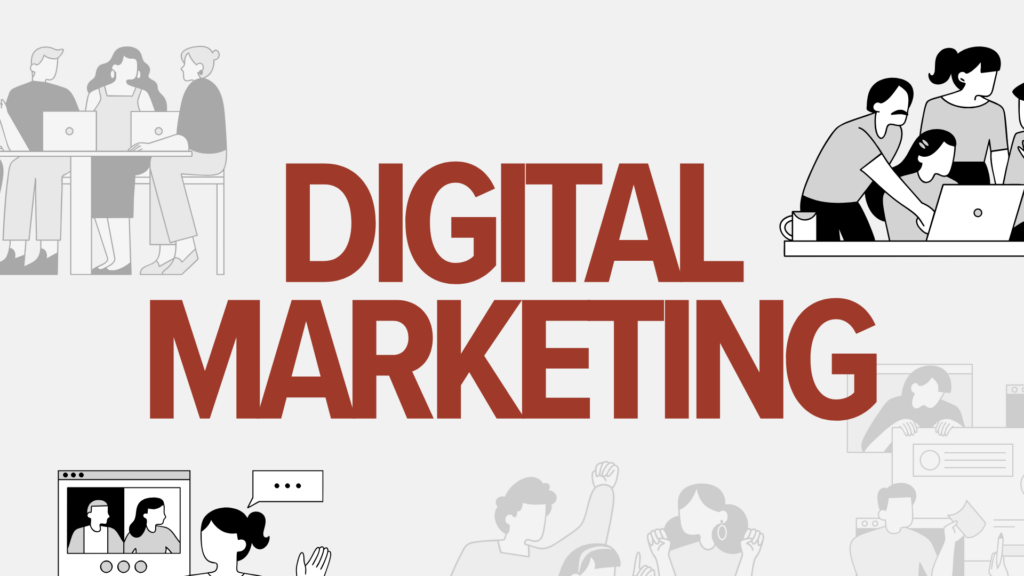
Digital marketing is the act of promoting products and services through digital channels, such as social media, SEO, email, and mobile. It is a form of marketing that helps businesses to reach their target audiences, build relationships, and boost sales through digital channels. Digital marketing utilise a combination of tools such as analytics, social media, content marketing, search engine optimization (SEO), search engine marketing (SEM), email marketing, mobile marketing, and more to create an effective digital presence.
Digital marketing is a powerful way for businesses to reach their target customers and engage with them in meaningful ways. It enables businesses to create personalised messages for their customers, increasing the likelihood of message recall and purchase intent. Additionally, businesses can leverage digital channels to track customer behaviour and identify areas of opportunity. By using digital analytics and other data-driven techniques, marketers can better understand their customers’ needs and preferences and tailor their offerings accordingly. Digital marketing also gives businesses access to a larger audience than traditional marketing channels due to its ability to reach people across the globe.
Importance and Benefits of Digital Marketing
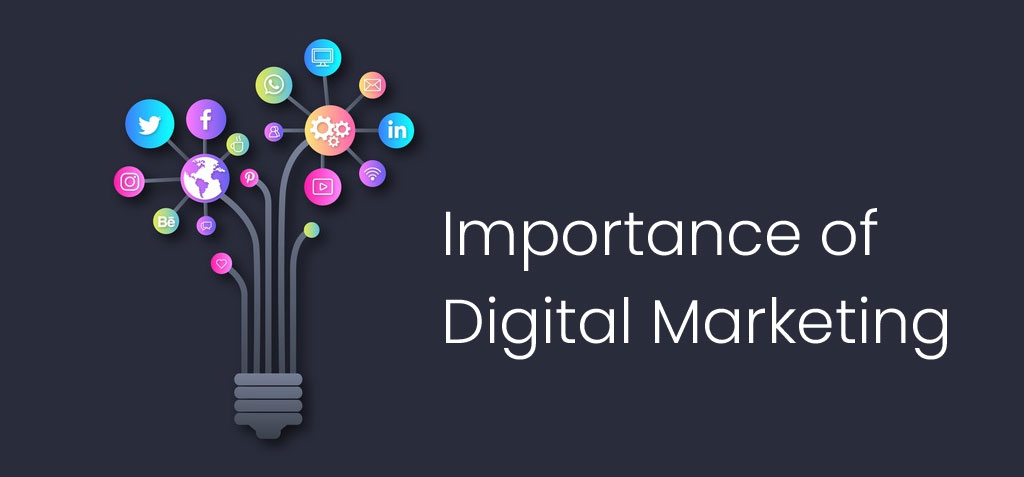
Digital marketing is an important component of any successful business strategy. It allows companies to reach a wider audience and create a personalised connection with customers. It also provides businesses with an opportunity to engage with customers on a more personal level, creating a sense of trust and loyalty. Additionally, digital marketing gives businesses access to real-time analytics, enabling them to make informed decisions and track the success of their campaigns. The benefits of digital marketing include increased brand awareness, improved customer engagement, lower marketing costs, increased customer loyalty, and higher ROI. Furthermore, digital marketing can potentially increase sales and profits, as well as build lasting relationships with customers. By leveraging the power of digital marketing, businesses can effectively reach their target audience and drive growth.
1.What Is Customer Acquisition Cost and How Do You Calculate It?
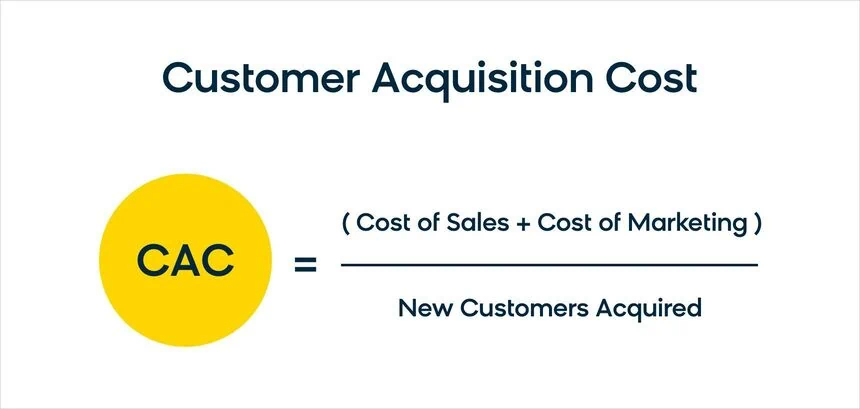
Customer Acquisition Cost (CAC) is the total investment required to acquire a new customer. It includes all marketing and sales expenses involved in converting a prospect into a paying customer.
The equation to find your CAC is a straightforward one: Divide all the costs spent on acquiring new customers (e.g., sales and marketing expenses) by the number of customers acquired in the same time period.
Formula= CAC = Total Marketing & Sales Cost ÷ Number of Customers Acquired
2.What is Customer Lifetime Value (LTV) and how do you improve it?
ln Portuguese, ‘lifetime value’ is often translated as ‘valour vitalício do cliente’. As the term suggests, LTV (Lifetime Value) projects the total revenue a customer can generate for a company throughout their entire relationship, from their first purchase to their last interaction.
1. Improve Customer Retention
Focus on keeping existing customers engaged through email marketing, loyalty programs, and regular communication.
2.Increase Average Order Value (AOV)
Encourage customers to spend more per purchase using up selling and cross-selling strategies.
3.Enhance Customer Experience
Provide fast support, smooth website experience, and personalised interactions.
4. Personalization & Segmentation
Use data to send targeted offers and recommendations based on user behaviour.
5.Build Strong Brand Loyalty
Create trust through consistent quality, content, and engagement. Loyal customers are more likely to purchase repeatedly.
3.How do you prioritize marketing channels when you have a limited budget?
When working with a limited budget, I prioritize marketing channels based on ROI, audience intent, and past performance data. My approach starts with identifying where the target audience is most active and which channels are likely to deliver high-intent traffic.
First, I analyze historical data (if available) to identify high-performing channels in terms of conversions and cost efficiency. If no data is available, I run small test campaigns across multiple channels to evaluate performance.
I focus on channels that provide quick and measurable results, such as search ads for high-intent users, while also investing in long-term channels like SEO for sustainable growth. Budget allocation is flexible—I shift spending toward channels that show better conversion rates and lower acquisition costs.
Additionally, I continuously monitor key metrics like CAC, ROAS, and conversion rate to optimise performance.
4.What is your approach to building a Go-To-Market (GTM) strategy?
My approach to building a Go-To-Market (GTM) strategy is structured, data-driven, and customer-centric, focusing on delivering the right product to the right audience through the right channels at the right time.
1. Market Research & Audience Definition
I begin by understanding the target market, including customer segments, pain points, and buying behaviour. This involves analysing demographics, psychographics, and competitor positioning to identify gaps and opportunities.
2. Define Value Proposition & Positioning
Next, I clearly define the unique value proposition (UVP)—what makes the product different and why customers should choose it. Strong positioning ensures the messaging is clear, relevant, and compelling.
3. Channel Selection & Strategy
I select marketing channels based on where the target audience is most active and which channels align with business goals.
Engagement channels: Email, social media for nurturing.
Performance channels: Google Ads, Meta Ads for quick results.
Organic channels: SEO, content marketing for long-term growth.
4. Messaging & Content Strategy
I create tailored messaging for each stage of the funnel—awareness, consideration, and conversion. Content is aligned with user intent and designed to drive engagement and action..
5. Funnel & Customer Journey Mapping
I design a clear customer journey from first interaction to conversion, including landing pages, retargeting strategies, and email workflows to guide users through the funnel.
6. Budget Allocation & KPI Setting
I allocate budget strategically across channels and define KPIs such as CAC, conversion rate, ROAS, and LTV to measure success.
7. Launch, Test & Optimize
After launch, I monitor performance closely and run A/B tests on creatives, audiences, and landing pages. Based on data insights, I continuously optimize campaigns.
8. Scale & Growth
Once I identify high-performing channels and strategies, I scale them while maintaining efficiency and profitability.
5.How do you identify high-performing marketing channels?
I identify high-performing marketing channels through a combination of data analysis, testing, and continuous optimization. My approach starts by aligning channel performance with business objectives, such as lead generation, sales, or brand awareness. Instead of focusing on just one metric, I evaluate a mix of key indicators like conversion rate, customer acquisition cost, return on ad spend, and overall engagement to understand how effectively a channel is contributing to business growth.
I also analyze user journeys using attribution models to understand how different channels contribute at various stages of the funnel. This helps me recognize not only the channels that drive final conversions but also those that assist in the decision-making process. Additionally, I run small-scale experiments and A/B tests across different platforms to compare performance in a controlled way before scaling any channel.
Another important factor I consider is the quality of customers acquired through each channel. I look at retention rates and lifetime value to ensure that the channel is not just driving volume but also long-term value. Based on these insights, I continuously reallocate budget toward the channels that deliver the best results and optimize underperforming ones.
7.How do you reduce Cost Per Click (CPC) while maintaining performance?
Reducing Cost Per Click (CPC) while maintaining or improving performance requires a strategic balance between ad relevance, audience targeting, and continuous optimization. My approach focuses on improving the overall efficiency of campaigns rather than simply lowering bids.
The first step is improving Quality Score, especially in platforms like Google Ads. Since CPC is heavily influenced by ad relevance, expected click-through rate (CTR), and landing page experience, I optimize ad copy to closely match user intent and ensure keywords are tightly aligned with ads. A higher Quality Score directly reduces CPC while improving ad position.
I also refine keyword strategy by focusing on high-intent and long-tail keywords. Instead of targeting broad, highly competitive terms, I prioritize keywords that reflect strong purchase intent, which not only lowers CPC but also improves conversion rates. Additionally, I continuously monitor search term reports to eliminate irrelevant queries through negative keywords, preventing wasted spend.
Another important factor is audience targeting. I segment audiences based on behavior, demographics, and past interactions, and use retargeting to reach users who are more likely to convert. This increases CTR and engagement, which indirectly helps reduce CPC over time.
Creative optimization also plays a key role. I regularly test multiple ad variations, including headlines, descriptions, and visuals, to identify high-performing creatives. Ads with better engagement signals achieve higher relevance, which contributes to lower CPC.
Furthermore, I optimize landing page experience by ensuring fast load times, clear messaging, and strong call-to-action alignment with the ad. When users have a seamless experience, conversion rates improve, allowing more value from each click even if CPC remains stable.
8.What is Frequency Capping and why is it important?
Frequency capping is a digital advertising feature that limits the number of times an ad is shown to the same user within a specific time period. It is commonly used in platforms like Google Ads and Meta Ads Manager to control ad exposure and improve campaign efficiency.
In simple terms, instead of showing the same ad repeatedly to one user, frequency capping ensures that the ad is displayed only a defined number of times, such as 3–5 times per day or week.
Why is Frequency Capping Important?
Frequency capping plays a crucial role in maintaining a balance between visibility and user experience. Showing ads too frequently can lead to ad fatigue, where users become annoyed or start ignoring the ad completely. This results in lower engagement, reduced click-through rates, and wasted ad spend.
By controlling exposure, frequency capping helps maintain ad freshness and effectiveness. It ensures that users are not overwhelmed, which improves the chances of meaningful interaction when they do see the ad.
Performance & Cost Efficiency
From a performance perspective, frequency capping helps in:
- Improving CTR (Click-Through Rate)
- Reducing wasted impressions
- Enhancing overall ROI and campaign efficiency
Instead of spending budget on the same audience repeatedly, it allows advertisers to reach a broader and more relevant audience.
9.How do you handle ad fatigue in campaigns?
Ad fatigue occurs when the same audience sees an ad too many times, leading to declining engagement, lower CTR, and reduced conversions. I handle ad fatigue through a combination of creative refresh, audience management, and performance monitoring.
The first step is identifying fatigue early by tracking key signals such as rising frequency, decreasing CTR, and increasing CPC. Once these indicators appear, I refresh creatives by introducing new visuals, headlines, and messaging. Even small changes in design or copy can significantly improve engagement and restore performance.
I also rotate multiple ad variations simultaneously to prevent overexposure of a single creative. This keeps the campaign dynamic and helps maintain audience interest. In platforms like Meta Ads Manager, I use dynamic creatives to automatically test and optimize combinations.
Another important strategy is audience segmentation and expansion. Instead of targeting the same group repeatedly, I create new audience segments such as lookalike audiences or interest-based groups. Retargeting audiences are also refined based on user behavior to keep messaging relevant.
Additionally, I implement frequency capping to control how often users see the ad, ensuring a better user experience and reducing irritation.
10.What is Re-marketing and how do you use it effectively?
Remarketing is a digital marketing strategy that targets users who have already interacted with a brand—such as visiting a website, clicking an ad, or adding products to a cart—but did not complete a desired action. It allows businesses to re-engage high-intent users and guide them toward conversion.
Platforms like Google Ads and Meta Ads Manager enable remarketing by tracking user behavior through pixels or tags and then showing personalized ads across different channels.
To use remarketing effectively, I focus on audience segmentation. Instead of targeting all visitors the same way, I create segments such as product viewers, cart abandoners, or repeat visitors. Each segment receives customized messaging based on their stage in the funnel.
I also use dynamic remarketing, where users are shown ads featuring the exact products they viewed. This increases relevance and significantly improves conversion rates.
Another key aspect is timing and frequency control. I ensure ads are shown at the right time without overexposing users, often using frequency capping to avoid ad fatigue.
Additionally, I align remarketing with offers and incentives, such as discounts or limited-time deals, to encourage users to complete their purchase.
11.What is keyword cannibalisation and how do you fix it?
Keyword cannibalization occurs when multiple pages on the same website target the same or very similar keywords, causing them to compete against each other in search engine rankings. Instead of improving visibility, this confuses search engines about which page should rank, often leading to lower rankings, diluted authority, and reduced organic traffic.
From an SEO perspective, cannibalization weakens performance because backlinks, relevance signals, and click-through rates get split across multiple pages rather than strengthening a single authoritative page.
To fix keyword cannibalization, the first step is identification. I analyze search performance using tools like Google Search Console to find pages ranking for the same queries. Once identified, I evaluate which page has stronger authority, better content, and higher potential to rank.
The most effective solution is content consolidation. I merge similar pages into one comprehensive, high-quality page and redirect the weaker pages using 301 redirects. This consolidates SEO value and improves ranking potential.
In cases where pages must remain separate, I differentiate keyword targeting by assigning unique primary keywords and optimizing content accordingly. This ensures each page serves a distinct search intent.
I also use canonical tags when similar content exists but cannot be merged, helping search engines understand which version is the preferred one.
How to Fix Keyword Cannibalisation?
- Identify the issue
Use tools like Google Search Console to find pages ranking for the same keyword - Merge similar content
Combine multiple pages into one strong, comprehensive page - Use 301 redirects
Redirect weaker pages to the main page to consolidate authority - Assign unique keywords
Optimize each page for a different keyword and search intent - Use canonical tags
Indicate the preferred page when similar content must exist
12.How do you optimise for voice search?
Voice search optimization focuses on aligning content with how people naturally speak, rather than how they type. Since voice queries are usually longer, conversational, and question-based, my approach is to optimize for intent, context, and structured information.
I start by targeting long-tail and conversational keywords, especially question-based queries like “how,” “what,” “best,” or “near me.” These match how users interact with voice assistants. I then structure content in a clear Q&A format, which increases the chances of appearing in featured snippets.
Another key factor is optimizing for featured snippets (position zero). I provide concise, direct answers within the content so search engines can easily pick them for voice responses.
I also focus on local SEO, as many voice searches are location-based. This includes optimizing Google Business Profile, adding location keywords, and ensuring NAP (Name, Address, Phone) consistency.
Technical optimization is equally important. I ensure the website has fast loading speed, mobile responsiveness, and good user experience, as most voice searches happen on mobile devices.
Additionally, I use structured data (schema markup) to help search engines better understand the content and improve visibility in voice results.
13.What are backlinks and how do you build high-quality ones?
backlinks are links from other websites that point to your site, and they act as a signal of trust and authority for search engines. When high-quality and relevant websites link to your content, it improves your website’s credibility and helps in ranking higher in search results.
To build high-quality backlinks, I focus on creating valuable and informative content that others naturally want to link to. I also use strategies like guest posting on relevant websites, outreach to bloggers and industry sites, and broken link building to replace dead links with my content. The key is to prioritize relevance, authority, and quality over quantity, ensuring long-term SEO growth.
14.What is Schema Markup and why is it important?
chema markup is a form of structured data that you add to your website’s code to help search engines understand your content in a more detailed and organized way. It uses a standard vocabulary (like JSON-LD) to define elements such as articles, products, reviews, events, FAQs, and business information.
The main importance of schema markup lies in how it improves your appearance in search results. When implemented correctly, it can generate rich snippets—for example, star ratings, FAQs, pricing, or breadcrumbs—which make your listing more attractive and informative. This increases visibility and click-through rate (CTR) because users are more likely to click on results that provide extra information.
Schema also plays a key role in helping search engines deliver more accurate results, especially for voice search and featured snippets. Even though it is not a direct ranking factor, it improves user experience and engagement, which indirectly supports better SEO performance.
15.What is the difference between sessions and users?
In web analytics, especially tools like Google Analytics, users and sessions are two fundamental metrics used to measure website traffic, but they represent different things.
A user refers to a unique individual who visits your website. No matter how many times that person comes back, they are counted as one user (as long as they are identified by the same device or tracking method).
A session, on the other hand, represents a single visit to the website. Every time a user visits your site and interacts within a specific time frame (usually 30 minutes of inactivity), it counts as one session. If the same user comes back again later, it will be counted as a new session.
16.How do you track multi-channel funnels?
I track multi-channel funnels by analyzing how users interact with different marketing channels across their entire journey before converting, rather than relying on a single touchpoint. The goal is to understand which channels assist, influence, and finally drive conversions.
I primarily use tools like Google Analytics 4, where I analyze reports such as conversion paths, assisted conversions, and attribution models. These reports show how channels like organic search, paid ads, social media, and email work together in the customer journey.
Instead of focusing only on last-click attribution, I evaluate multi-touch attribution models to understand the contribution of each channel at different stages—awareness, consideration, and conversion. This helps identify channels that may not directly convert but play a crucial role in influencing users.
I also use UTM parameters to track the performance of campaigns across different platforms and ensure accurate data collection. Additionally, I segment users based on behaviour to see how different audience groups interact with multiple channels.
17.What is Assisted Conversion?
Assisted conversion refers to a situation where a marketing channel contributes to a conversion but is not the final touch point. In simple terms, it means a channel helps influence the user’s decision during their journey, even if it doesn’t directly complete the conversion.
In multi-channel marketing, users rarely convert after just one interaction. They may first discover a brand through social media, then visit again via organic search, and finally convert through a paid ad. In this case, the earlier channels are considered assisting channels, while the last one gets the final credit.
Tools like Google Analytics 4 help track assisted conversions through attribution reports, showing how different channels work together in the funnel.
Understanding assisted conversions is important because it highlights the true value of each channel, not just the one that closes the sale. It helps marketers make better decisions about budget allocation and strategy.
18.How do you measure attribution across devices?
Measuring attribution across devices means tracking how a user interacts with your brand on multiple devices—like mobile, tablet, and desktop—before completing a conversion. Since users often switch devices during their journey, it’s important to connect these touchpoints to get a complete view of performance.
I primarily use tools like Google Analytics 4, which supports cross-device tracking through User ID and Google Signals. User ID helps track logged-in users across devices, while Google Signals uses aggregated data to identify cross-device behavior even when users are not logged in.
I also ensure proper implementation of tracking pixels and event tracking across all platforms so that user interactions are captured consistently. Using data-driven attribution models, I analyze how each touchpoint contributes to the final conversion instead of relying only on last-click attribution.
Additionally, I study user journey reports and conversion paths to understand how users move between devices before converting.
19.What are UTM parameters and how do you use them?
UTM parameters (Urchin Tracking Module) are tags added to a URL that help track the performance of marketing campaigns in analytics tools like Google Analytics 4. They allow marketers to understand where traffic is coming from and which campaigns are driving results.
UTM parameters are added at the end of a URL and typically include five main components:
utm_source (traffic source, e.g., Google, Facebook),
utm_medium (marketing channel, e.g., CPC, email),
utm_campaign (campaign name),
utm_term (keywords, mainly for paid search), and
utm_content (used to differentiate ads or creatives).
I use UTM parameters to track campaign performance across different channels and platforms. By tagging links used in ads, emails, or social media posts, I can analyze which campaigns are generating traffic, leads, and conversions. This helps in making data-driven decisions, optimizing campaigns, and allocating budget more effectively.
20.How do you create content that ranks on Google?
I create content that ranks on Google by combining search intent, SEO optimization, and high-quality value-driven content. My approach starts with understanding what users are actually searching for and why. I perform keyword research to identify relevant primary and long-tail keywords, but more importantly, I focus on user intent—whether it’s informational, transactional, or navigational.
Once the intent is clear, I structure the content in a way that is both SEO-friendly and user-friendly. This includes using proper headings (H1, H2, H3), placing keywords naturally, and writing clear, engaging content that directly answers user queries. I also optimize for featured snippets by including concise answers, lists, and question-based sections.
On-page SEO plays a key role, so I optimize title tags, meta descriptions, URL structure, and internal linking. I also ensure the content is easy to read, well-formatted, and provides real value rather than just keyword stuffing.
Technical factors are equally important. I make sure the page is fast-loading, mobile-friendly, and has good user experience, as these impact rankings and engagement.
Additionally, I focus on building high-quality backlinks to improve authority and credibility.
21.What is Content Gap Analysis?
Content gap analysis is the process of identifying missing or underperforming content opportunities on your website by comparing it with competitors or market demand. The goal is to find topics, keywords, or areas where your competitors are ranking but your website is not, and then create or optimize content to fill those gaps.
I usually perform content gap analysis using tools like Ahrefs or SEMrush, where I compare my website with competitors to identify keywords they rank for but I don’t. This helps uncover new content ideas and opportunities to capture additional organic traffic.
The process also involves analyzing existing content to see if it needs improvement, such as updating outdated information, improving keyword targeting, or enhancing depth and quality.
22.How do you build brand authority online?
I build brand authority online by focusing on trust, consistency, and value-driven content, supported by strong SEO and engagement strategies. The goal is to position the brand as a reliable and expert source in its niche.
Consistent High-Quality Content
Regularly publish valuable, informative, and niche-specific content to position the brand as an expert.
SEO & Topic Authority
Focus on ranking for related keywords and building topical authority through pillar and cluster content strategy.
Backlink Building (Authority Signals)
Earn backlinks from trusted and relevant websites to increase credibility and domain authority.
Social Proof & Trust Signals
Showcase reviews, testimonials, case studies, and user-generated content to build trust.
Thought Leadership
Share insights, industry trends, and expert opinions through blogs, LinkedIn, or webinars.
Consistency in Branding
Maintain a uniform tone, design, and messaging across all platforms to strengthen brand identity.
Engagement & Community Building
Actively engage with audience through comments, messages, and social media interactions.
Influencer & Collaboration Strategy
Partner with influencers or industry experts to expand reach and credibility.
Data-Driven Content Strategy
Use analytics to understand what content performs best and double down on it.
User Experience & Website Quality
A fast, professional, and easy-to-navigate website increases trust and authority.
23.What is Storytelling in Marketing?
Storytelling in marketing is the practice of using narratives to communicate a brand’s message in a more engaging, relatable, and emotional way. Instead of just promoting a product or service, storytelling focuses on creating a connection with the audience by sharing experiences, problems, and solutions.
It works because people connect more with stories than with direct sales messages. A strong marketing story usually includes a character (customer), a problem, and a solution (your product or service). This makes the content more memorable and impactful.
Storytelling also helps in building brand identity and trust, as it allows the audience to understand the brand’s values, mission, and purpose. It is widely used across blogs, social media, ads, and videos to make content more compelling.
24.How do you maintain brand consistency across channels?
I maintain brand consistency across channels by ensuring that all touchpoints reflect the same identity, message, and experience, regardless of the platform. Consistency builds trust and makes the brand easily recognizable.
The foundation is having clear brand guidelines, which include tone of voice, color palette, typography, logo usage, and messaging style. These guidelines act as a reference for all content whether it’s for social media, website, ads, or email campaigns.
I also ensure that the core message and value proposition remain the same across all channels, while slightly adapting the content format based on the platform. For example, the tone may be more professional on LinkedIn and more engaging on Instagram, but the brand personality stays consistent.
Another important aspect is content planning and coordination. I use a structured content calendar to align campaigns across channels so that messaging is unified and not fragmented.
Regular audits and performance reviews help identify any inconsistencies and ensure that all platforms are aligned with the brand strategy.
25.What is Influencer Marketing and how do you measure ROI?
Influencer marketing is a strategy where brands collaborate with content creators or influencers who have a dedicated audience to promote products or services. It works because influencers have trust and credibility with their followers, which helps brands reach targeted audiences in a more authentic way compared to traditional advertising.
To measure ROI in influencer marketing, I go beyond just likes and followers and focus on performance-driven metrics. The first step is defining clear goals—whether it’s brand awareness, engagement, or conversions.
I track ROI using metrics like engagement rate, reach, website traffic, conversions, and cost per acquisition (CPA). To get accurate data, I use UTM parameters, unique discount codes, and affiliate links to track how much traffic and sales each influencer generates.
For awareness campaigns, I analyze reach, impressions, and engagement. For performance campaigns, I focus more on conversions and revenue generated compared to the cost of the collaboration.
26.How do you use User-Generated Content (UGC)?
User-generated content (UGC) refers to content created by customers—such as reviews, photos, videos, or testimonials—and I use it as a powerful trust-building and engagement tool in marketing.
My approach starts with encouraging customers to create content through campaigns, contests, hashtags, or post-purchase follow-ups. Once collected, I repurpose UGC across multiple channels like social media, website, ads, and email marketing to showcase real experiences instead of brand-created messaging.
UGC is highly effective because it adds authenticity and social proof, which increases trust and influences purchase decisions. I also integrate UGC into performance marketing by using real customer content in ads, as it often delivers higher engagement and better conversion rates compared to traditional creatives.
Additionally, I ensure proper permission and credit is given to users before using their content, maintaining transparency and brand credibility.
27.What is Social Listening and why is it important?
Social listening is the process of monitoring and analyzing conversations, mentions, and trends related to a brand, competitors, or industry across social media and online platforms. It goes beyond just tracking comments—it focuses on understanding audience sentiment, feedback, and behavior.
I use social listening to gain insights into what customers are saying about the brand, what problems they are facing, and how they perceive products or services. This helps in making data-driven decisions for content, campaigns, and product improvements.
It is important because it allows brands to respond proactively, manage reputation, and identify opportunities or risks early. It also helps in understanding market trends and competitor strategies, which can be used to improve positioning.
Additionally, social listening supports better customer engagement, as responding to feedback and queries builds trust and strengthens relationships.
28.How do you plan a social media content calendar?
I plan a social media content calendar by aligning content with business goals, audience needs, and platform strategy, while maintaining consistency and flexibility.
I start by defining clear objectives—whether it’s brand awareness, engagement, or lead generation. Based on that, I identify the target audience and content themes such as educational, promotional, or engagement-based posts. This ensures that every piece of content serves a purpose.
Next, I research trends, competitors, and audience preferences to decide the type of content that will perform well. I then create a monthly or weekly content plan, mapping out post types like reels, carousels, stories, and static posts, along with captions and hashtags.
Consistency is key, so I schedule posts in advance using tools like Hootsuite or Buffer. However, I also keep space for real-time or trending content to stay relevant.
I continuously track performance metrics like engagement, reach, and clicks, and optimize the calendar based on what works best.
29.How do you balance UX and conversion goals?
Balancing UX (User Experience) and conversion goals is about ensuring that the website is easy, intuitive, and valuable for users while still guiding them toward a desired action like a sign-up or purchase.
My approach is to prioritize user needs first, because a poor experience will always hurt conversions in the long run. I focus on creating a clean, fast, and easy-to-navigate interface where users can quickly find what they’re looking for without friction.
At the same time, I strategically place conversion elements like CTAs, forms, and buttons in a way that feels natural, not forced. Instead of being aggressive, I ensure they are contextual and value-driven—for example, placing a CTA after providing useful information rather than immediately pushing for a sale.
I also rely heavily on data and testing. Using tools like Google Analytics and heatmaps, I analyze user behavior to identify drop-off points and optimize both UX and conversions together. A/B testing helps me find the right balance between design and performance.
30.What are the latest digital marketing trends in 2026?
Digital marketing in 2026 is driven by AI, personalization, authenticity, and immersive experiences. The focus has shifted from just visibility to relevance, trust, and performance.
Top Digital Marketing Trends in 2026
1. AI-Driven Marketing & Automation
AI is now the foundation of digital marketing. It is used for content creation, ad optimization, predictive analytics, and personalization. Businesses using AI are seeing better efficiency and higher ROI.
2. Hyper-Personalization (Next Level Targeting)
Consumers expect personalized experiences. Brands use data to deliver customized content, offers, and recommendations, improving engagement and conversions.
3. Short-Form Video Dominance
Platforms like Instagram Reels and YouTube Shorts continue to dominate because of short attention spans and mobile-first users. Video content drives higher engagement than static posts.
4. Creator & Influencer Economy Growth
Brands are shifting from traditional ads to creator-led content and influencer collaborations, as audiences trust creators more than direct brand messaging.
5. Social Commerce & In-App Buying
Users are now discovering and purchasing products directly on social media platforms, making content + commerce integration a key trend.
6. Voice Search & AI Search Evolution
Search behavior is changing with voice assistants and AI-generated answers, requiring marketers to optimize for conversational queries and structured content.
7. First-Party Data & Privacy-Focused Marketing
With stricter privacy rules, businesses are focusing on collecting their own data (first-party data) instead of relying on third-party cookies.
8. Authentic & Human-Centered Content
Users are moving away from overly polished content. They prefer real, relatable, and value-driven content, making authenticity a key ranking factor.
9. Immersive Marketing (AR/VR & Experiences)
Augmented Reality (AR) and interactive experiences are becoming mainstream, allowing users to experience products before buying.
10. Data-Driven & Performance Marketing
Vanity metrics are declining. Brands now focus on ROI, conversions, and measurable outcomes instead of just likes or impressions.